Summary
Feldbinder KIP spare parts centre on the hydraulic tipping system: lift cylinders, PTO hydraulic pump, pivot bearings, control valves, seals, and filters. PHS Magnum in Chorula, near Opole, holds standard service items (seals, filters, oils) in stock for immediate supply, carries out cylinder regeneration on-site (1–2 days), and replaces PTO pumps and pivot bearings. KIP hydraulics represent an additional service area alongside the discharge valves and fittings common to all Feldbinder silo trailers. For part selection tailored to a specific model, ask for a quote.
Feldbinder KIP — the tipping model
KIP (Kippsilo) is a specialist Feldbinder silo trailer configuration with hydraulic tank tilting. It allows complete discharge of materials with poor flow characteristics — cement, lime, fly ash, and certain chemical powders.
The KIP hydraulic system is an additional service area beyond the standard silo trailer components and requires dedicated expertise.
Main KIP hydraulic components
Lift cylinders (Hubzylinder)
- Typically 2 side-mounted telescopic cylinders or 1 central cylinder
- Piston bore: DN80–DN125 depending on tank capacity
- Stroke: 1,500–2,500 mm
- Operating pressure: 180–220 bar
Most common work: replacement of O-ring and cassette seals every 5–8 years of service. Full cylinder replacement for mechanical damage or internal corrosion.
PTO hydraulic pump
- Driven by tractor power take-off (PTO)
- Gear or vane rotor
- Flow rate: 30–60 L/min depending on model
Most common work: rotor wear after 8–12 years of intensive use. Regeneration (rotor and bearing replacement) or full pump replacement.
Pivot bearings
- Self-aligning spherical roller bearings (Pendelrollenlager)
- Static load rating 50–100 tonnes
- Central lubrication (grease nipple system)
Most common work: replacement every 8–12 years. Earlier replacement if lubrication has been neglected (signs: squealing during tilting, mechanical play).
Control valve
- Distributes oil flow between cylinders
- Fitted with safety circuit (pressure-relief valve, emergency shut-off valve)
Most common work: electromechanical valve faults (on electrically controlled systems), leaks at aged seals.
Hydraulic filter
- Replaceable element (10–25 µm)
- With contamination-indicator gauge
Replacement interval: every 500 engine hours or annually.
KIP hydraulic service procedure
Periodic inspection (every 12 months)
- Visual check of all hydraulic connections (leaks?)
- Operating pressure measurement (should be 180–220 bar under load)
- Check hydraulic reservoir oil level
- Replace hydraulic filter
- Grease pivot bearings
- Full tilt cycle test (0–50° and return) — timing and smoothness of movement
Oil change (every 1,000 engine hours / 24 months)
- Drain old oil via the drain plug
- Replace hydraulic filter
- Fill with fresh ISO VG 32/46 oil to Feldbinder specification
- Bleed the system (several tilt cycles)
- Function test and pressure measurement
Cylinder regeneration (following confirmed seal leakage)
- Remove cylinder from trailer
- Full disassembly (piston, barrel, head)
- Inspect internal surfaces
- Replace all seals (O-rings + cassette seals + piston wipers)
- Polish piston rod (surface scratches) or replace piston (deep damage)
- Polish cylinder bore interior
- Reassemble and pressure test (to 1.5× working pressure)
- Refit to trailer
- Function test
Turnaround: 1–2 working days per cylinder.
Most frequently replaced KIP parts
In day-to-day KIP hydraulic servicing, the parts subject to the highest wear are:
- Cylinder seals — regeneration on oil leak
- Hydraulic filters — periodic replacement (every 500 engine hours / annually)
- Hydraulic oil — change every 1,000 engine hours / 24 months
- Pivot bearings — on wear or following neglected lubrication
- PTO pump — regeneration or replacement on rotor wear
- Control valves, sensors, hoses, pressure gauges — periodic
Common KIP hydraulic fault symptoms — quick diagnosis
The table below helps to narrow down the likely cause before the trailer arrives at the workshop. The final diagnosis is confirmed by pressure measurement and visual inspection.
| Symptom | Most likely cause | Typical action |
|---|---|---|
| Oil traces on cylinder body or piston rod | Worn O-ring or cassette seals | Cylinder regeneration (seal replacement) |
| Tank drifts down after being raised | Piston seal bypass or holding-valve fault | Cylinder regeneration / valve inspection |
| Slow or jerky lifting | Pressure drop, air in system, blocked filter | Pressure test, bleeding, filter replacement |
| Squealing and play during tilting | Worn pivot bearings, neglected lubrication | Lubrication or bearing replacement |
| No lift / insufficient force | Worn PTO pump rotor, low oil level | PTO pump regeneration or replacement |
| Contaminated oil, filter-contamination indicator active | Oil/filter change interval exceeded | ISO VG 32/46 oil change + filter replacement |
What PHS Magnum offers for KIP
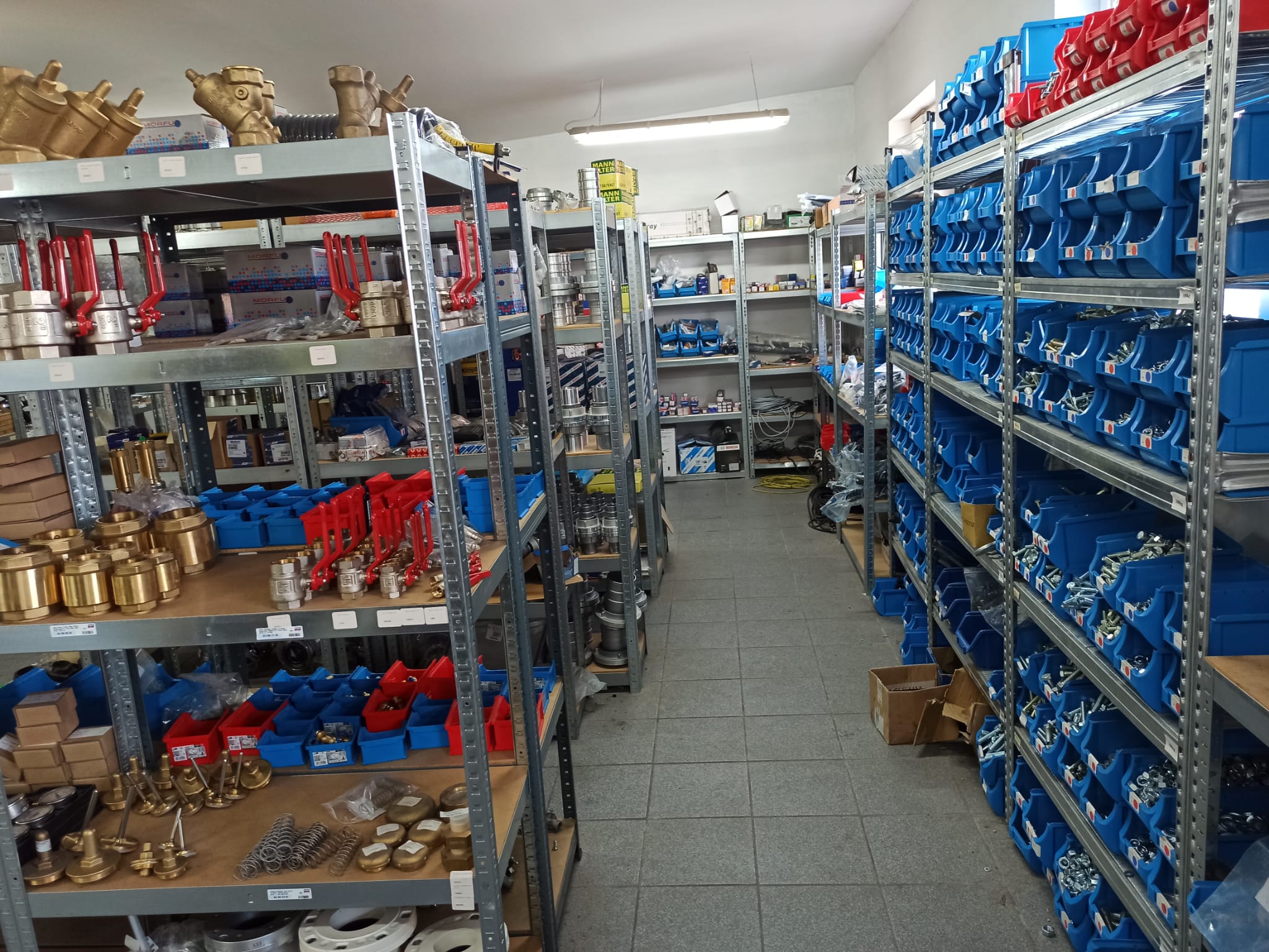
- Stock of standard parts (seals, filters, oils) — available immediately
- Cylinder regeneration on-site (1–2 days)
- PTO pump replacement or regeneration (2–3 days)
- Pivot bearing replacement (complete operation: 3–5 days)
- Hydraulic system diagnostics — pressure testing and measurements
Tipping hydraulics are just one aspect of KIP servicing. Discharge fittings — Prokosch ball discharge valves, ball seals, and safety valves — are shared with non-tipping models and require separate inspection.
Contact
For part selection or KIP hydraulic servicing, ask for a quote — ideally with the trailer model and a description of the fault. Standard seals, filters, and oils are dispatched from our warehouse in Chorula, near Opole.