Summary
Feldbinder trailer – common faults: EUT – bottom valve leaks (discharge spigot, EPDM/silicone butterfly valves), worn aeration pads (non-standard dimensions – state the model and year); KIP – hydraulic tipping cylinder leak (immediate withdrawal from service), main hinge wear; food-grade stainless steel – crevice corrosion around welds, gold discolouration from poor TIG welding, Ra > 0.8 µm after mechanical repair. Welding stainless-steel tanks: ISO 9606-1 certified welder only, ER316LSi electrode, passivation after welding.
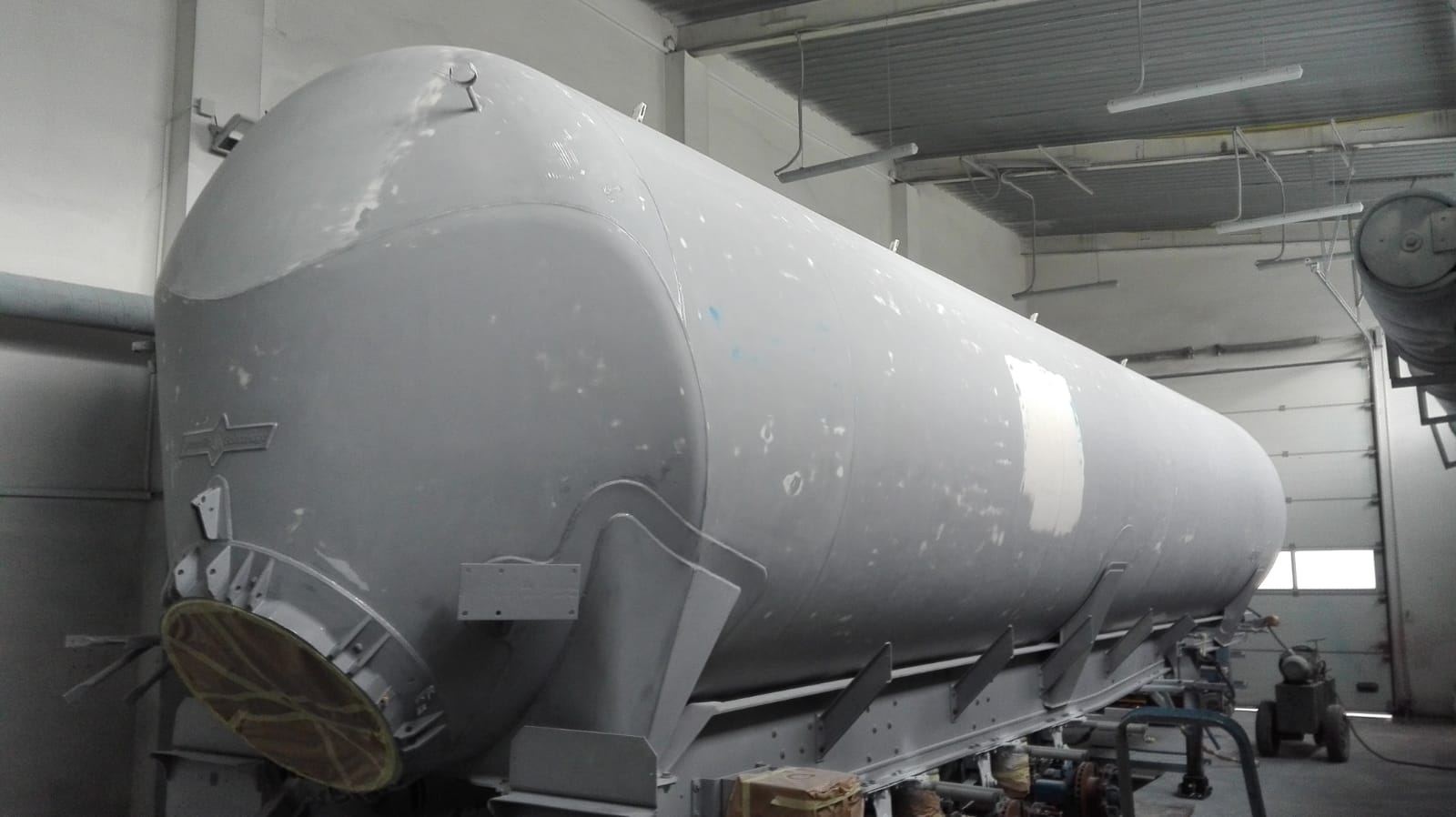
Feldbinder manufactures at least three fundamentally different trailer types — and each fails in different places. A technician who knows Spitzer trailers inside out will not necessarily handle a stainless EUT valve seal or a KIP cylinder oil leak without specific preparation.
Below: common faults for each of the main Feldbinder types and how to approach them.
Feldbinder EUT – Aeration System and Bottom Valve Assembly
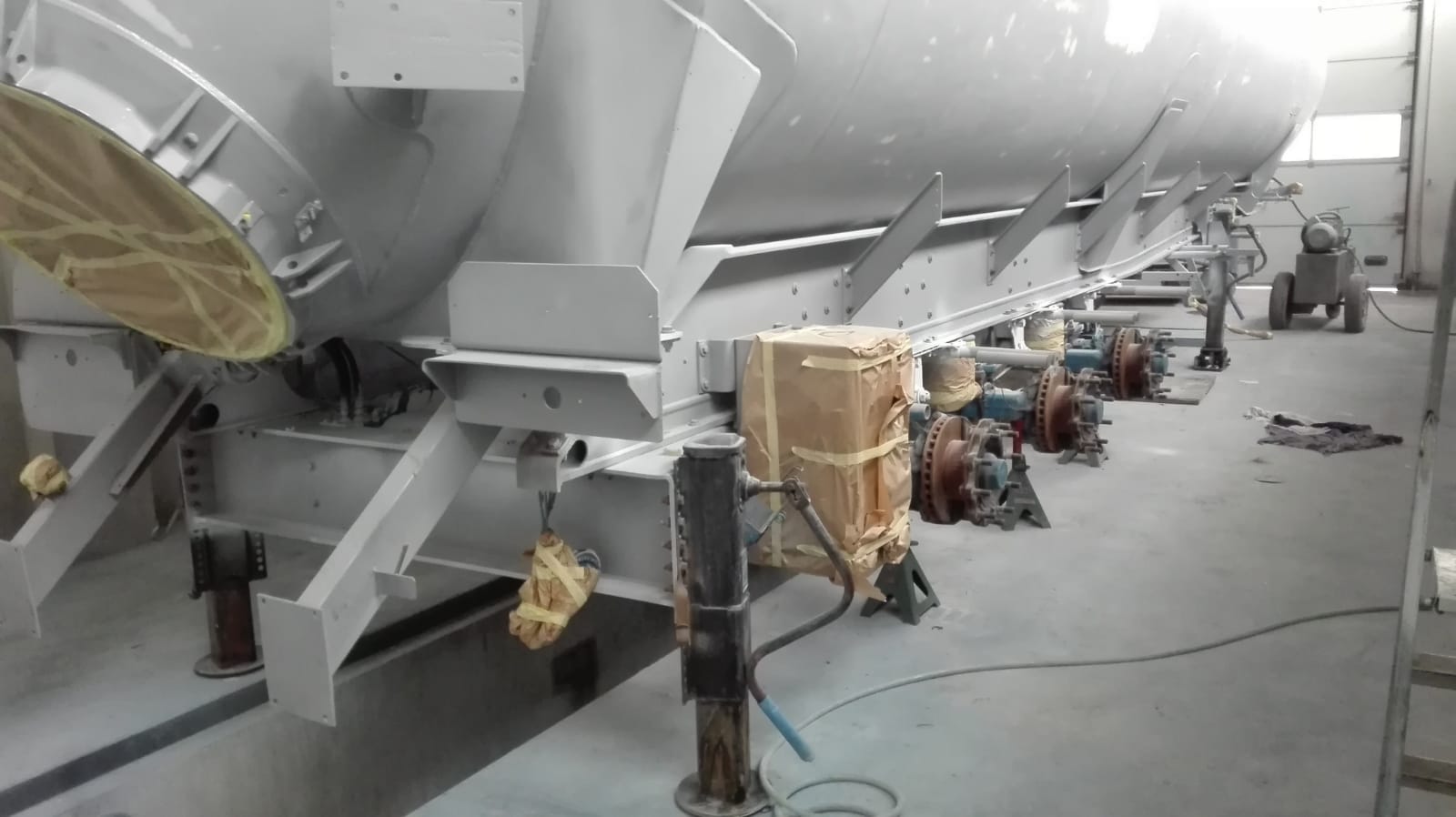
The Feldbinder EUT (horizontal pneumatic silo trailer) is broadly similar to Spitzer silo trailers in terms of its discharge system — aeration pads on the tank floor, a pressure manifold, and discharge gates. The key difference: Feldbinder EUT trailers often have a different type of bottom valve (a discharge spigot rather than a simple butterfly valve) and non-standard aeration pad dimensions that are not interchangeable with Spitzer components.
EUT Bottom Valve Faults
Discharge spigot (Auslaufstutzen) leak
The discharge spigot — DN100–DN150, stainless steel or aluminium, sealed with EPDM or silicone — leaks product at the closed position when the seal is damaged. Symptoms: powder or granules escaping from the valve assembly with a full tank; on food-grade trailers, product contamination is a risk.
Seal replacement is a 1–2 hour job. The seal must be compatible with the transported material (EPDM for granulate, FDA-grade silicone for food products).
Butterfly valve — closing problems
A DN100–DN150 butterfly valve exposed to aggressive materials (cement, lime) can seize due to product residue. The valve fails to close fully, causing pressure loss.
Preventive cleaning and lubrication (silicone grease) is a routine maintenance task. Seal replacement is appropriate when the spindle itself is sound but the rubber seal is worn.
Galvanic corrosion on aluminium EUT fittings
On aluminium EUT trailers, contact between aluminium and stainless-steel bolts or galvanised components causes galvanic corrosion. Symptoms: white corrosion deposits, seized fasteners. Prevention: isolating washers and copper-based anti-seize on all threads.
EUT Aeration Pad Faults
Symptoms are identical to those on Spitzer trailers: uneven discharge, material remaining in zones adjacent to a damaged pad. The key difference: Feldbinder EUT aeration pads are non-standard — always state the model and year of manufacture when ordering.
Typical service life of Feldbinder EUT aeration pads: 2–5 years (cement), 4–7 years (PE/PP granulate).
Feldbinder KIP – Hydraulic System and Rear Discharge Gate
The Feldbinder KIP is a rear-hinged tipping tank raised by a hydraulic cylinder. Discharge is gravity-fed through a rear gate. The service requirements are entirely different from those of the EUT.
Tipping Cylinder Oil Leak
This is an immediate withdrawal-from-service fault. A hydraulic oil leak from the tipping cylinder creates two serious risks:
- Uncontrolled tank drop during partial tipping (risk of crushing equipment or personnel)
- Loss of tipping capability, rendering discharge impossible
Symptoms of a cylinder leak: hydraulic oil beneath the cylinder or on the piston rod; the tank “sinks” after tipping (fails to hold position); a noticeable difference in tipping force between full and empty.
Repair options: piston rod seal replacement (faster) or full cylinder reconditioning (recommended when the rod is scored).
Main Hinge Wear
The main hinge (pivot pin with bearings or polymer bush) wears out after 8–12 years of intensive use. Symptoms: lateral movement of the tank during tipping, audible metallic clunking during operation.
Replacing the hinge bush takes 4–6 hours. If neglected, the hinge socket deforms — at which point welded repair work becomes necessary.
Rear Discharge Gate — KIP
The rear gate (plate or flap) can seize after a season of handling sticky materials (sugar, food products). Forcing it open destroys the seal. The correct approach: clean and flush the seal, then open gently after warming.
Stainless-Steel Feldbinder Trailers – Food-Grade Tanks
Crevice Corrosion Around Welds
Grades 304L/316L stainless steel are corrosion-resistant, but not resistant to chlorides and not forgiving of welding errors. Crevice corrosion around a poor weld or organic contamination (grease not removed before welding) appears as brown-to-black shadowing.
Repair: mill out the affected area, re-weld using TIG (ER316LSi electrode), grind to Ra ≤ 0.8 µm, then passivate.
Weld Discolouration and Oxidation (Gold Tint)
A gold or bluish tint on a stainless-steel weld indicates insufficient argon shielding during welding or gas contamination. Such a weld has reduced corrosion resistance and does not meet the requirements for food-grade tanks.
The correct colour of a TIG weld on stainless steel: silver-grey. Gold or green = remove and re-weld.
Surface Roughness Ra – When to Check
Ra ≤ 0.8 µm is the requirement for the internal surfaces of food-grade tanks. Ra must be checked after every mechanical repair (grinding, sandblasting), after welding, and after passivation. A Ra gauge is essential equipment for any food-trailer service operation — without it, a cleanliness certificate cannot be issued.
When Seal Replacement Is Not Enough
A seal is the last line of defence. If the fitting itself (spigot, butterfly valve, sealing face) is deformed or corroded, replacing the seal is only a temporary fix. Every time a seal is replaced:
- Check the surface the seal beds against — is it smooth and free of scratches?
- Check the fitting geometry — is the butterfly plate undistorted?
- Check the seal material — is it appropriate for the medium being transported?
Using the wrong seal for the application is more common than one might think. EPDM in contact with aliphatic hydrocarbons swells and disintegrates within a week. Silicone degrades faster than EPDM in the presence of alkaline cement.
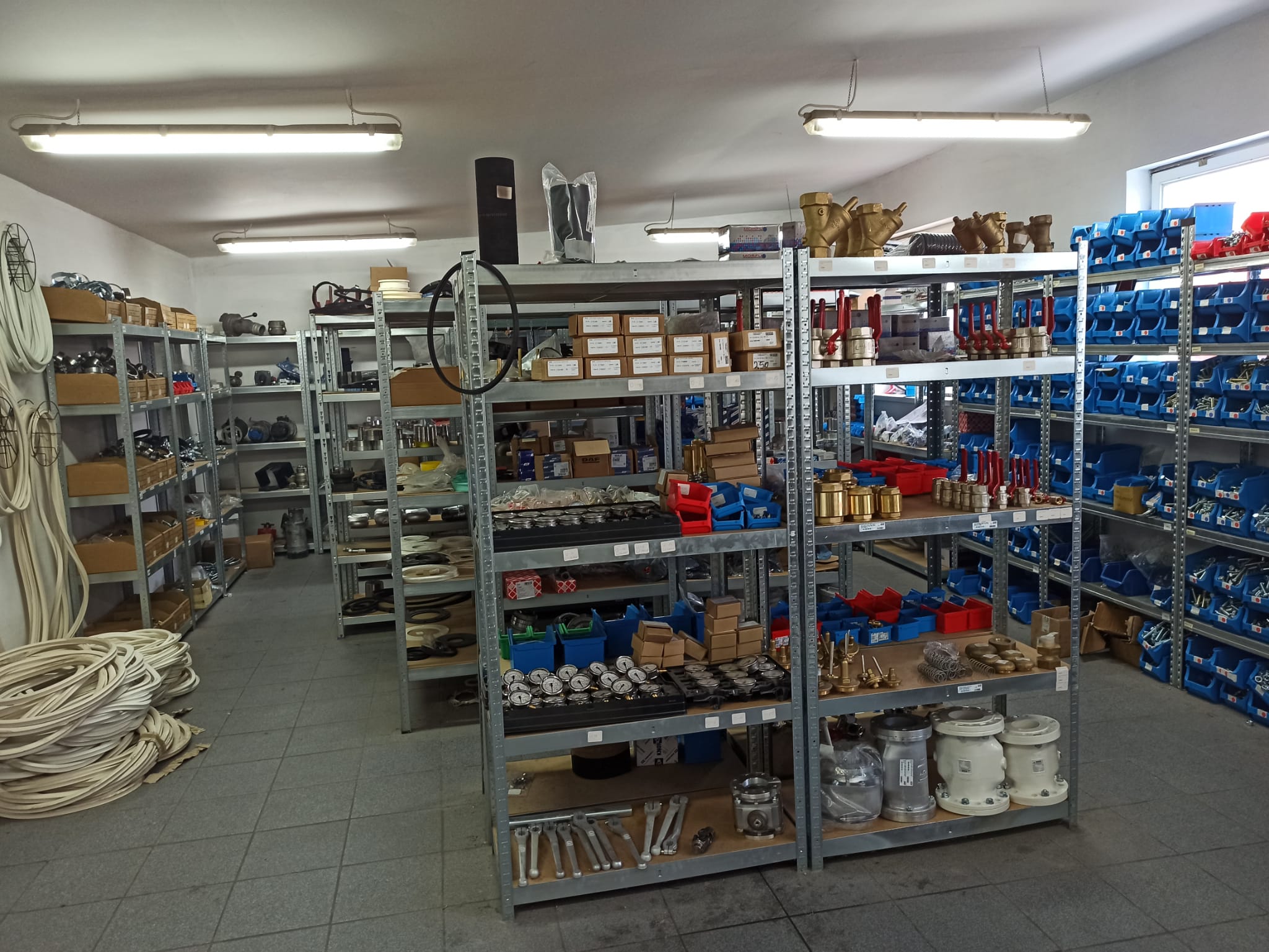
Worn seals, valves, and valve-assembly components for EUT and KIP trailers are held in stock at our Chorula facility — full catalogue: Feldbinder spare parts .
Service Contact
+48 602 716 551 · biuro@magnumchorula.pl
PHS Magnum, ul. Kościelna 9, 47-316 Chorula
Mon–Fri 06:00–20:00 | Sat 07:00–15:00
Related: Feldbinder Service · Feldbinder Spare Parts · TDT Inspections · Repair and Refurbishment