In Brief
Feldbinder tank cleanliness certificate — a documentation package required by food, pharmaceutical and chemical shippers when registering a trailer for food-contact service. Core requirements: Ra ≤ 0.8 µm inner surface (profilometer measurement), passivation protocol, ATP test, seal material certificates (EC 1935/2004 / FDA 21 CFR). Mandatory after every welding repair, at TDT inspection, and at food shipper registration. PHS Magnum in Chorula performs the full procedure and issues the complete documentation set.
What Is a Tank Cleanliness Certificate?
A tank cleanliness certificate is not a single standardised document — it is a commonly used term for a documentation package that collectively proves the tank interior of a trailer is safe for contact with a specific category of product. Depending on the industry and the requirements of individual food producers or shippers, the scope of this package varies.
For Feldbinder EUT stainless steel trailers, the context in which this documentation is required falls into three main categories:
- Food industry — flour, sugar, starch, food-grade granules
- Pharmaceutical industry — active pharmaceutical ingredients, excipients, GMP-grade materials
- Chemical industry — food-packaging granules (PE/PP with food contact), high-purity chemicals
Ra Surface Roughness – Standard and Measurement
What is Ra?
Ra (arithmetic mean roughness, ISO 4287) is the primary parameter describing the smoothness of the tank’s inner surface. It is measured as the arithmetic mean of profile deviations from the mean line over a defined sampling length (typically 0.8 mm or 2.5 mm).
Why Ra ≤ 0.8 µm?
On a surface with Ra > 0.8 µm, micro-crevices and scratches form where:
- Product particles and micro-organisms become trapped
- Cleaning agents (CIP — Clean In Place) do not reach
- Bacterial biofilms can develop (critical for food and pharmaceutical products)
A value of Ra ≤ 0.8 µm is smooth enough for complete drainage and cleaning cycles without dead zones.
How PHS Magnum Measures Ra
Measurement is performed with a calibrated tactile profilometer (diamond stylus contact type) or optical profilometer, with a current calibration certificate. Measurement points:
- Tank floor (2–3 evenly distributed points)
- Lower sidewall (2 points, left and right)
- Weld zone (one point each side of the weld bead)
- Discharge spout entry
Each measurement is recorded with: location, Ra value, date, operator signature. The Ra protocol is an integral part of the service documentation and is required by the TDT inspector at food-grade certificate renewal.
Passivation Protocol
Why Passivation Must Follow Every Weld Repair
The passive layer (Cr₂O₃ — chromium oxide, 2–5 nm thick) forms spontaneously on stainless steel exposed to oxygen. It is destroyed by:
- Welding heat in the weld and heat-affected zone (HAZ)
- Grinding with iron-contaminated tools
- Acidic cargo residues (citric acid, CO₂, ascorbic acid)
- Chloride contamination (road salt spray, chlorinated cleaning agents)
Without this layer, stainless steel corrodes rapidly in humid environments and is not food-safe. Passivation restores the layer chemically, faster and more uniformly than natural re-passivation in air.
Passivation Procedure at PHS Magnum
Step 1 – Alkaline cleaning:
- Alkaline degreaser (pH 10–12), 40–60°C, 15–30 minutes contact
- Rinse with deionised (VE) water
- Verify: pH and conductivity of rinse water recorded
Step 2 – Visual inspection:
- Endoscope or work light inspection of the full interior
- Verify: no visible residues, corrosion pitting, weld defects
Step 3 – Passivation (mandatory after welding):
Method 1 – Nitric acid HNO₃ 30%:
- Applied to large flat surfaces and full-tank passivation
- Temperature: 20–50°C, contact time 20–30 minutes
- Rinse with VE water to neutral pH (6–8); verify conductivity < 5 µS/cm
Method 2 – Avesta 401 passivation gel:
- Applied by brush to weld zones and confined geometries
- Contact time: 30–60 minutes
- Rinse thoroughly — gel residue must be fully removed
Step 4 – Ra measurement: Profilometer measurement at defined points, results logged.
Step 5 – Passivation verification: Spot-test using ASTM A380 passivation test kit (colour change indicates unpassivated steel); all points pass before sign-off.
ATP Test – Rapid Microbiological Verification
Principle
ATP (adenosine triphosphate) is the energy molecule present in all living cells, including bacteria and food residue cells. A bioluminescence reaction between ATP and luciferase produces light — measured by a luminometer in RLU (Relative Light Units).
Test Procedure
- A swab sample is collected from the selected area of the tank interior (floor, discharge zone)
- The swab is inserted into the luminometer — reagent activates within seconds
- The luminometer displays the RLU reading in under 30 seconds
- Result < 100 RLU (typical food-contact threshold): microbiological cleanliness acceptable
- Result ≥ 100 RLU: repeat cleaning cycle and re-test
ATP test results are recorded in the cleanliness protocol: sampling points, RLU values, date, threshold, pass/fail, operator signature.
Important note: The ATP test detects biological matter broadly — high readings may indicate food residue rather than live pathogens. It is a cleaning verification tool, not a substitute for microbiological culture testing required in some pharmaceutical applications.
When Is the Cleanliness Certificate Required?
Registration with a Food Shipper
Food producers and shippers (Südzucker, Nestlé, Tchibo, Cargill and others) require a complete documentation package when registering a trailer for food cargo. Without a valid Ra protocol and passivation certificate, the trailer will not be accepted for loading.
TDT Pressure Vessel Inspection
The Polish Technical Inspection Office (TDT) checks the internal condition of pressure vessel tanks during mandatory 6-year inspections. For food-grade tanks, the Ra protocol and passivation record are reviewed as proof of proper maintenance.
After Every Welding Repair
Every weld on a stainless steel tank destroys the passive layer locally. Without documented passivation and Ra verification post-repair, the tank loses its food-grade status. The documentation must be issued before the trailer returns to food service.
After a Contamination Incident
If an unauthorised cargo was transported, chemical contamination occurred, or microbiological growth was found, a special cleaning protocol, passivation and ATP test are required before the tank can return to food-grade service.
Documents Issued by PHS Magnum – Complete Package
| Document | Contents | Required by |
|---|---|---|
| Passivation protocol | Date, method (HNO₃ / Avesta), Ra results, operator signature | TDT, food shipper |
| Cleaning protocol | Cleaning agents, temperatures, rinse water pH and conductivity | Food audit |
| ATP test protocol | Sampling points, RLU values, threshold, pass/fail | Food audit (optional) |
| Welder certificate | ISO 9606-1 for austenitic stainless (material group 8) | TDT, shipper |
| Welding Procedure Specification (WPS) | Welding parameters for 304L/316L | TDT at inspection |
| Seal material certificate | FDA 21 CFR or EC 1935/2004 | FDA/FSMA audit |
| Mill certificate | Chemical composition, properties of 304L or 316L | Food audit |
Every document is issued on PHS Magnum letterhead, dated and signed by the responsible technician. The documentation set is available in Polish and English.
PHS Magnum – Full Procedure and Documentation in One Location
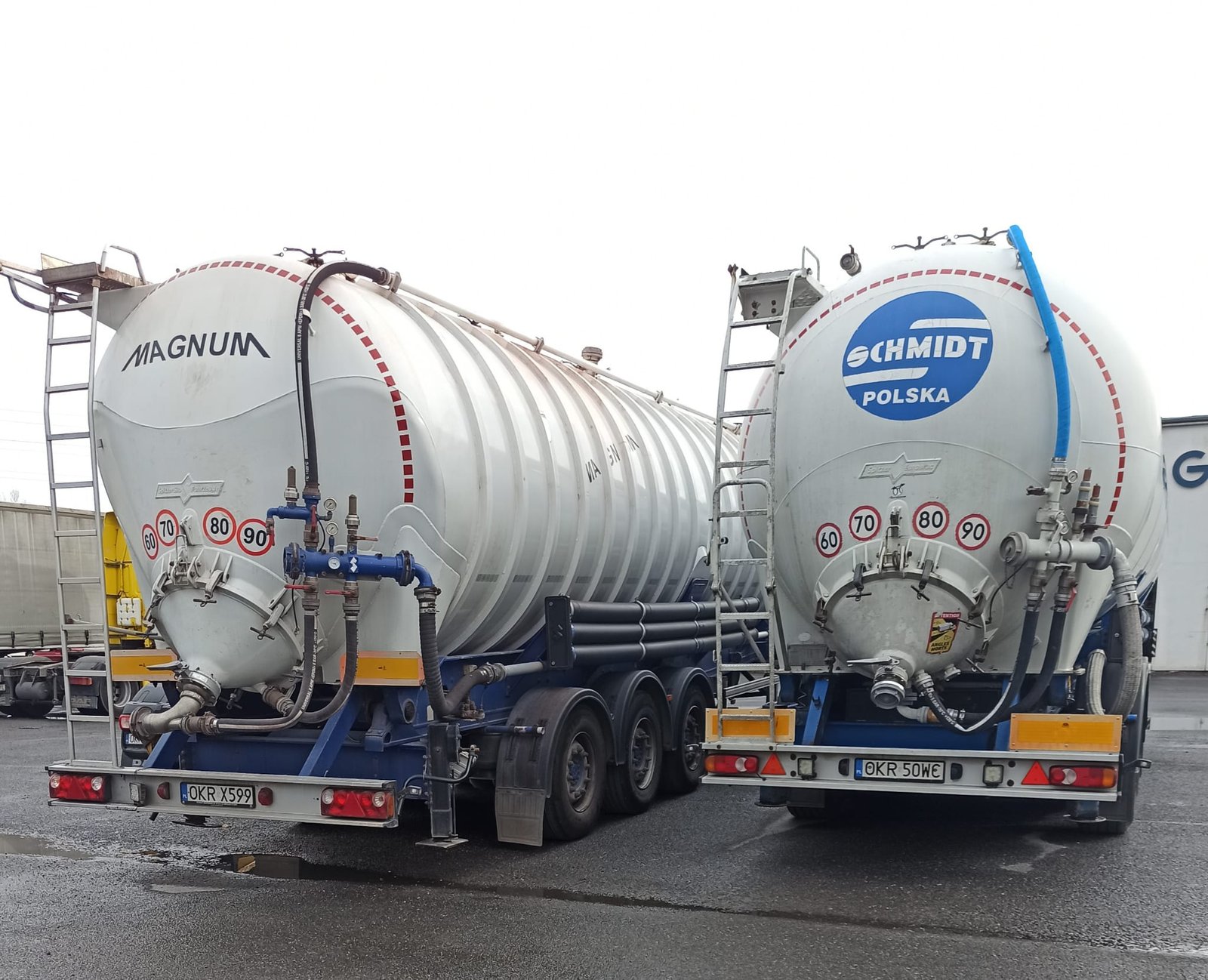
PHS Magnum in Chorula near Opole (4 km from A4 motorway, 180 km from the German border) provides complete food-grade tank service for Feldbinder EUT trailers:
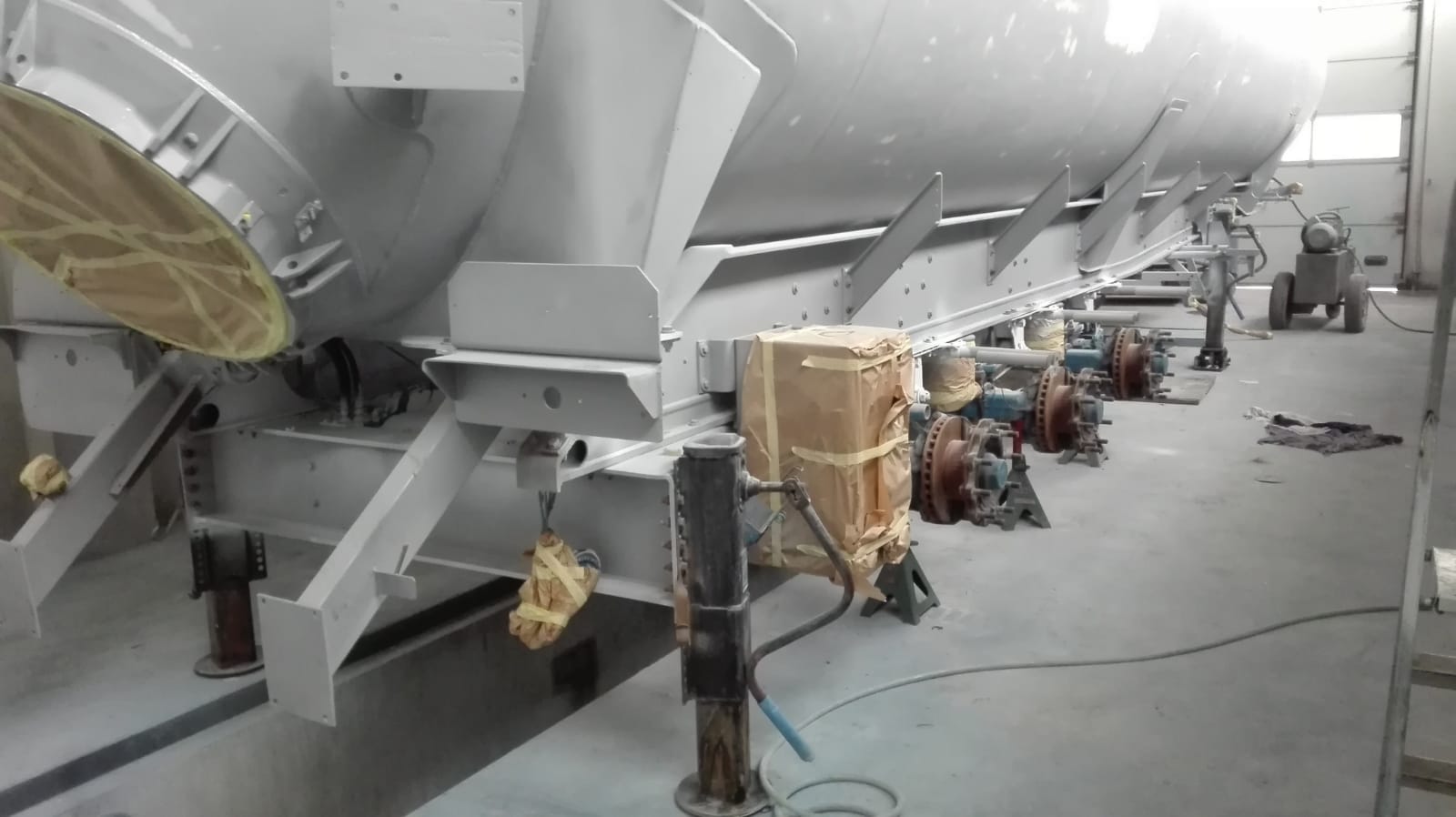
- Stainless steel (304L/316L) weld repairs – ISO 9606-1 certified welders, WPS documentation
- Chemical passivation (HNO₃ 30%, Avesta 401 gel) with full protocol
- Ra surface roughness measurement (calibrated profilometer, written protocol)
- ATP test for microbiological cleanliness verification
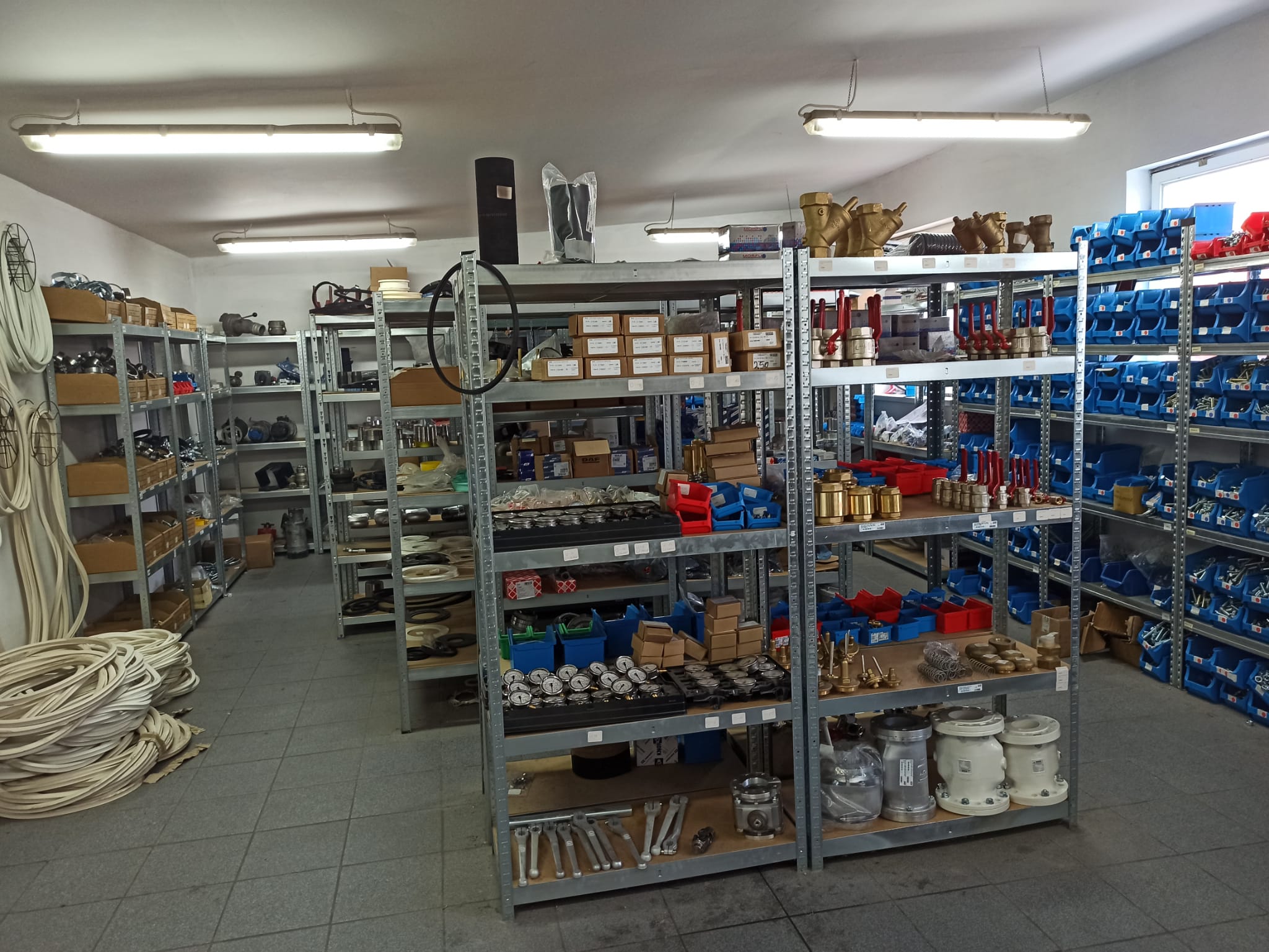
- Outlet valve and food-grade seal replacement (EPDM FDA, PTFE, food-grade silicone)
- Complete documentation package: all protocols, certificates, mill certificates
Contact: +48 602 716 551 · biuro@magnumchorula.pl
Related: Feldbinder trailer service · Stainless steel passivation · TDT testing · Spare parts